Common Myths About Tooth Extraction and Bone Grafting
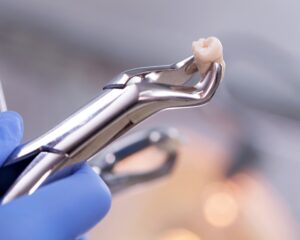 When it comes to restoring the health, function, and appearance of your smile, procedures like tooth extraction and bone grafting often play an essential role. Still, many patients feel anxious when these treatments are recommended, usually because of lingering misconceptions. At Eastern Virginia Family & Cosmetic Dentistry, we believe informed patients feel more confident about their dental care. Our dentists break down some of the most common myths surrounding tooth extraction and bone grafting to help you understand what these procedures really involve.
Myth #1: Bone Grafting Is Only for Patients Seeking Dental Implants
Many people assume that bone grafting is performed exclusively for individuals getting dental implants. While bone grafting is indeed a very common preparatory step for implant placement, it is far from the only reason a patient might need this procedure.
Bone grafting is designed to rebuild or reinforce jawbone that has been weakened by gum disease, tooth loss, trauma, or natural bone resorption over time. In some cases, strengthening the jawbone can help stabilize remaining teeth, prevent future bone loss, and improve overall oral health, even if implants are not part of the treatment plan. Patients undergoing certain tooth extractions may also benefit from a small graft placed in the socket to preserve bone structure and support future dental options.
Myth #2: Tooth Extraction Is Always Painful and Difficult
It’s perfectly normal to feel nervous about the idea of having a tooth removed, but modern dentistry has come a long way. One of the most persistent myths is that tooth extraction is always a painful, traumatic experience. Thanks to today’s advanced techniques, imaging technology, and effective local anesthesia, most patients experience only mild pressure during their procedure and are often surprised at how quickly it is completed.
At Eastern Virginia Family & Cosmetic Dentistry, we take extra care to ensure you are comfortable throughout your extraction. For more complex cases, such as impacted teeth, we may use additional techniques or coordinate with specialists to make the process as smooth as possible. Post-treatment discomfort is typically manageable with over-the-counter medication, and most patients recover quickly.
Myth #3: Bone Grafting Is a Complicated or Dangerous Procedure
Bone grafting may sound intimidating, but the process is actually very routine and safe when performed by trained dental professionals. This procedure typically involves placing a small amount of grafting material, often sourced from sterile donor tissue or synthetic materials, into an area where bone needs to be rebuilt. The graft acts as a scaffold, encouraging the body to naturally regenerate new, healthy bone over time.
Most grafts are performed in a single visit and involve minimal discomfort. In fact, many patients report that a bone graft placed during a tooth extraction feels very similar to the extraction procedure itself. Following aftercare instructions can greatly reduce the risk of complications and help ensure a successful outcome.
Myth #4: You Should Wait to Replace a Missing Tooth After Extraction
Delaying tooth replacement after extraction can have long-term consequences for your oral health. Once a tooth is removed, the surrounding bone begins to shrink, and adjacent teeth may start shifting into the empty space. Over time, this can affect your bite alignment, facial structure, and ability to replace the tooth later on.
Bone grafting can help preserve the socket immediately after extraction, maintaining the bone volume needed for future tooth replacement options such as dental implants or bridges. In many cases, planning for replacement early helps ensure a smoother process and better long-term results.
Myth #5: Bone Grafting Is Only for Severe Cases
Another misconception is that bone grafting is only necessary when significant bone loss has occurred. In reality, even minor bone deficiencies can impact the success of dental restorations or the stability of surrounding teeth. Placing a small graft at the time of extraction can be a proactive way to prevent more serious issues from developing down the road.
Proactive bone grafting can be especially valuable for patients considering dental implants in the future. By preserving bone height and width now, you can maintain more dental restoration options later.
Myth #6: If a Tooth Hurts, Extraction Is Always the Best Option
Extraction can be a valuable solution in many cases, especially when tooth decay, infection, or damage is too extensive to repair. However, extraction is not always the only or best treatment. Whenever possible, dentists aim to preserve natural teeth through restorative procedures such as tooth-colored fillings, crowns, root canal therapy, or periodontal treatment.
That said, when extraction is recommended, it is typically because keeping the tooth could pose a greater risk to your oral health. Following an extraction, bone grafting may be recommended to support the area and maintain long-term function.
Myth #7: Recovery From Bone Grafting and Tooth Extraction Takes a Long Time
While every patient heals at a different pace, most individuals recover faster than they expect. Initial healing from a tooth extraction typically occurs within a few days, and discomfort gradually subsides. Bone grafts can take longer to fully integrate—usually several months—but this process happens internally and does not usually interfere with everyday activities.
Most patients are able to return to work, school, or normal routines within 24 to 48 hours, provided they follow proper aftercare instructions.
A Clearer Understanding for a Healthier Smile
Bone grafting and tooth extraction are highly effective procedures that can preserve your oral health, prevent future complications, and prepare your smile for lasting success. By understanding what these treatments actually involve, and separating myths from facts, you can make well-informed decisions about your care.
If you have questions about bone grafting, tooth extraction, or any aspect of your dental health, the team at Eastern Virginia Family & Cosmetic Dentistry is here to help. We’re committed to providing compassionate, personalized preventative care and guiding you toward the treatments that support a healthy, confident smile.